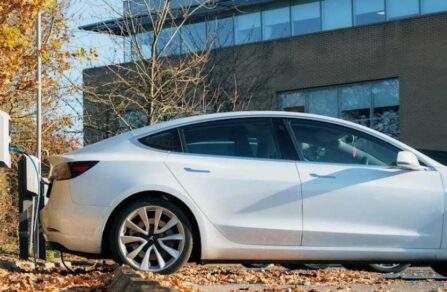
Case Study: Costain Electrifies Its UK Fleet with Site-Based EV Charging
Costain required a partner to design and deliver EV charging infr...

In this blog: Support for EV Transitions | Support for Fleets | Zero Emission Vehicle Grants
*Updated 19/10/2026.
The UK government has been clear in its commitment to reducing emissions by investing billions to aid the transition to electric motoring, and commercial or public sector fleets are no exception.
More and more fleet operators are on the verge of making the switch and are just looking for a final push into action. This can come in the form of financial support to install the necessary charging infrastructure at a depot or premises, or grants to reduce the cost of purchasing new vehicles.
This guide explains the support available to UK businesses, who is eligible, and what it’s worth.
UPDATE: Round 2 of applications for the Depot Charging Scheme (DCS) opens on the 28th of October. You can find out more detail below, but eligible businesses could receive a grant to invest in their depot charging infrastructure.
The UK government has focused much of its investment so far on public and private EV charge point infrastructure to ensure the country can cope with the inevitable demand as more drivers switch to EVs and fleet managers turn their fleets electric.
Various UK Governments have committed over £2 billion in funding to electric vehicle and infrastructure support, all under various names and guises. However, these have recently been combined and simplified. So let’s explore the support available for businesses in more detail.
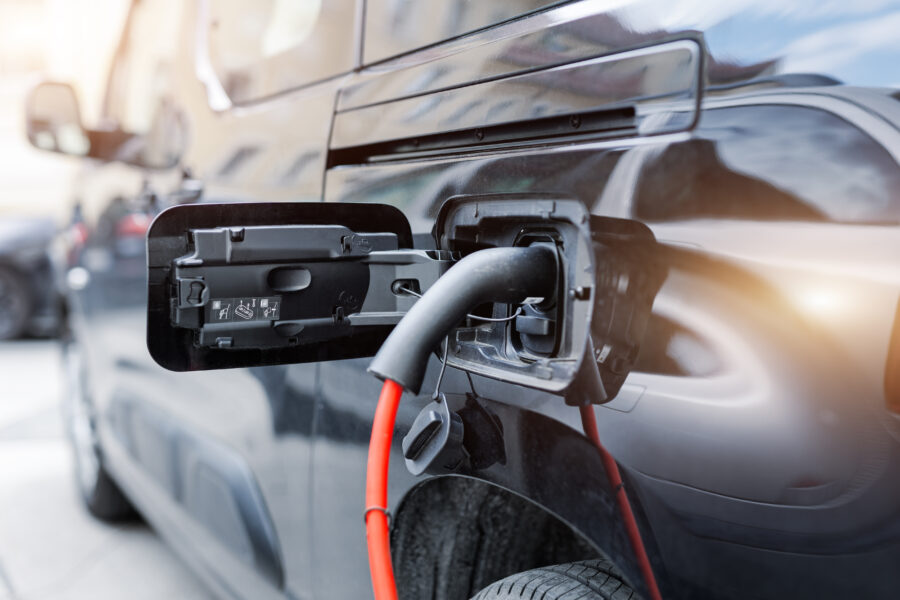
There are currently three distinct schemes of grants and subsidies available to UK fleet operators and businesses:
Probably the most well-known and established grant, the Workplace Charging Scheme (WCS) provides financial support to businesses towards the cost of purchasing and installing workplace charge points. This makes the EV infrastructure business case even more compelling.
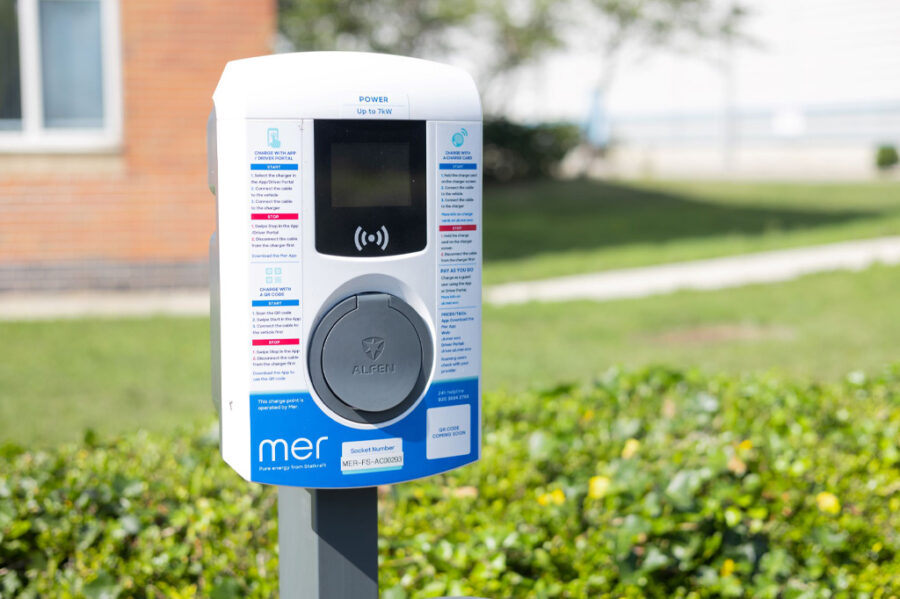
It was first introduced by OZEV in 2016, renewed in 2020, and in 2022 was opened up to SMEs, small accommodation businesses, commercial landlords and charities. The deadline to apply has been extended again to 31st March 2027.
The workplace Charging Scheme could be worth up to £20,000 to businesses, as it covers up to 75% of the costs of the purchase and installation of EV charge points (including VAT), to a maximum of:
The WCS is open to eligible businesses, charities and public sector organisations with dedicated off-street parking facilities clearly associated with the premises. The applicant must also own or have permission from the landowner to install charge points.
For businesses, only staff or fleet vehicles can use the infrastructure, and they must be VAT registered and/or have a Companies House reference number, although alternative documentation is available for other types of organisations.
As an authorised OZEV installer, we have supported many businesses to access the WCS. We assisted smart infrastructure solutions company, Costain through the process. Costain required a partner who could provide and install EV charging infrastructure across all its UK offices to power its 3,000-strong fleet.
Our expert associate provided advice on what the company could claim and what site power was required after a full site survey. The associate was also on hand to help with any application queries.
Costain saved approximately £12,000 on 34 sockets across four of their UK sites and reaped the benefits from installing EV charging stations.
Like the WCS, the Depot Charging Scheme (DCS) aims to support businesses transitioning to zero-emission HGVs, LCVs, and coaches. In the first window of applications, it did this by funding up to 75% of the depot charging infrastructure installation costs, up to £1m per organisation across all sites.
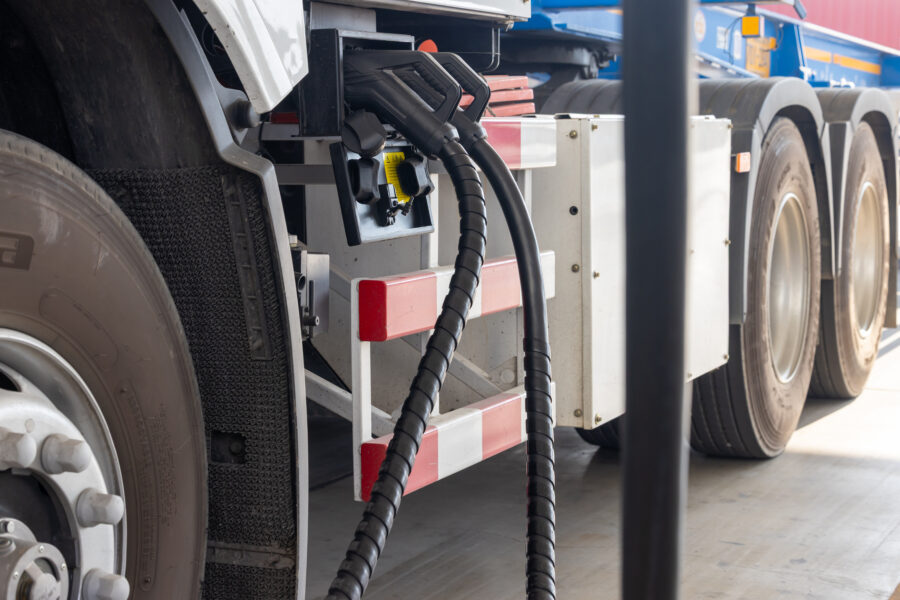
It is designed specifically to target heavy-duty depot infrastructure, and the funding can be used to cover the cost of:
The first application window was open from 25th March 2026 to 30th June 2026.
However, the second application window is set to open on 28th October 2026 and run until 29th January 2027, to be used on projects to be delivered between April 2027 and 31st March 2028.
Final terms and grant rates for the second phase of the Depot Charging Scheme have not yet been confirmed, but the Government has confirmed a total of £38m will be available to applicants.
The depot charging scheme is available to private fleets operating vans, HGVs or coaches, councils and local authorities, NHS trusts, public sector bodies, charities and non-profits with commercial vehicles. Only one application per organisation is allowed, but it can be used across several sites.
All applicants must meet the following criteria:
Grant funding rates will reduce over the lifetime of the programme as charging infrastructure becomes more affordable. Grant rates and future application windows will be confirmed in due course. We’ve successfully helped several companies apply for Depot Charging Scheme funding, find out about what we learned and how we can help you.
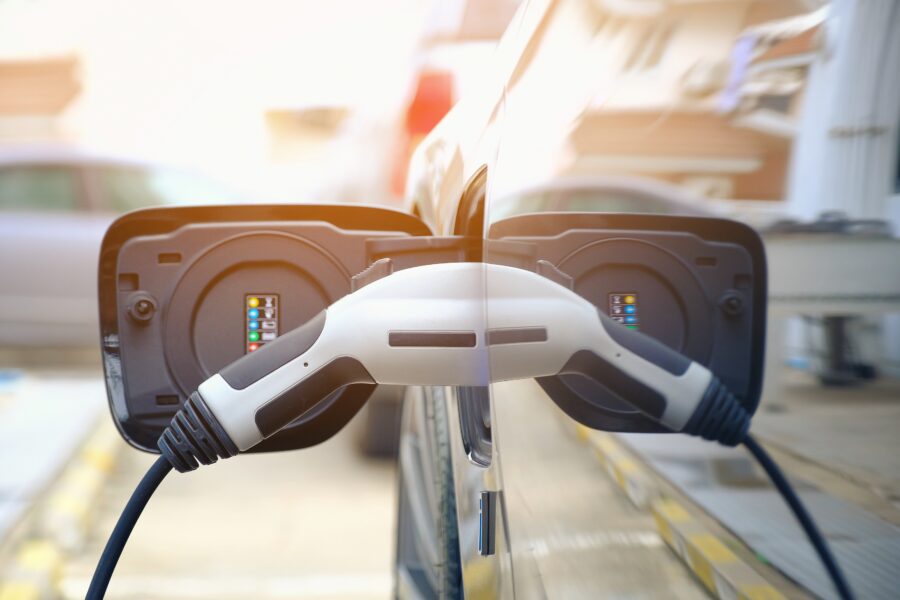
The Government is providing grants to cover the upfront costs of purchasing new zero-emission cars, vans, trucks, and wheelchair-accessible vehicles. Sometimes known as the Plug-In Van Grant (PIVG), vehicles are eligible as long as they produce 0g/km of CO2, and can travel at least 60 miles (96km) with zero emissions (i.e. are running on 100% electric power).
The Government is providing grants to cover the upfront costs of purchasing new zero-emission cars, vans, trucks, and wheelchair-accessible vehicles. Sometimes known as the Plug-In Van Grant (PIVG), the seller applies the discounts, which vary depending on the vehicle’s specs.
These are split into the following brackets:
The ECG applies to M1 passenger vehicles that meet the following criteria:
And could be worth up to:
The ZEVG applies to vans that meet the following criteria:
And could be worth up to:
The ZETG varies depending on GVW of the vehicle, however they could be worth:
*Whichever is lowest
Businesses don’t have to do anything specific to take advantage of the grants applied to electric vans and trucks. The seller does all of the paperwork and simply includes the discount on the invoice. That said, there is a limit of 1,500 grants which can be claimed per organisation, per financial year. In reality, this means all but the largest fleet operators can take full advantage of the scheme to transition their fleet to electric.
A full list of eligible zero emission vans and trucks is available on GOV.UK.
For more information about fleet electrification and charging, read our in depth Depot Charging Guide.
Costain required a partner to design and deliver EV charging infr...

Renewable EV charging experts Mer have teamed up with fleet EV ch...

Natasha Fry, Chief Commercial Officer at Mer Fleet Services, has ...