Depot Charging Scheme clarification questions: what happens after you submit your application?
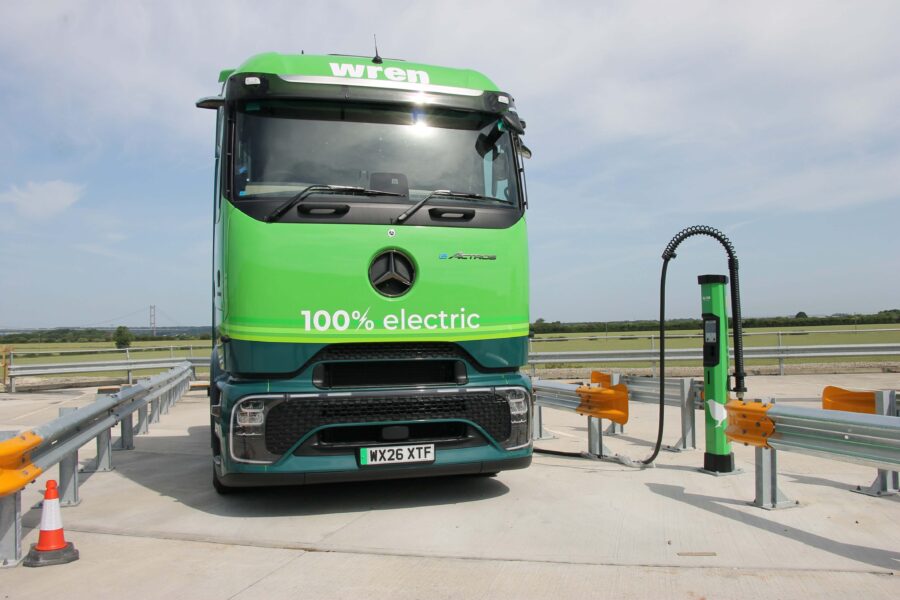
Having supported organisations including IKEA, Wren Kitchens, SIXT and CitySprint through Round 1, one of the things we learnt was the importance of being ready to respond to clarification questions after an application has been submitted.
Be ready to demonstrate that the project can be delivered
One area where further information may be required is the delivery programme.
Depot charging projects can involve design, equipment procurement, electrical works, civils, installation and commissioning. Assessors therefore need to understand whether the proposed project can realistically be delivered within the scheme’s requirements.
During Round 1, we supported customers in responding to questions around project viability and delivery timescales, providing the additional technical and project information required to support their applications.
The lesson for fleets preparing for the next round is to think about delivery from the outset. Your application should be based on a project that is genuinely ready and realistic to deliver.
Understand your available power
Power is another area where technical questions can arise. A proposed charging installation needs to work within the electrical infrastructure available at the site, or have a clear plan for any additional capacity required.
During Round 1, we helped customers respond to questions about whether their proposed charging infrastructure could be supported by the power available at their depots.
Understanding your incoming supply, existing demand and proposed charging requirement before you apply puts you in a much stronger position if further technical evidence is requested.
Be prepared to explain your proposed charging solution
Fleet charging infrastructure isn’t always straightforward. Different charging architectures manage and distribute power in different ways, particularly at larger or more complex depots.
During Round 1, we encountered clarification questions about the technical operation of proposed charging solutions and worked with our customers and technology partners to provide the information required.
It’s another reason why having your charging partner involved beyond the initial application can be important. The people who designed the solution are often best placed to answer detailed technical questions about it.
Have the wider project information ready
Not every clarification question is highly technical. Applicants may also need to provide further information relating to the site, vehicles, project costs, delivery programme or wider business case.
Individually, those questions may be relatively straightforward. The challenge can be getting the right information from different parts of the organisation quickly.
For fleets preparing an application, it makes sense to involve the relevant property, finance, fleet, procurement and technical teams early rather than waiting until additional information is requested.
Your supplier needs to stay involved
Perhaps the biggest lesson from clarification questions is that application support shouldn’t stop when the application is submitted.
When questions relate to electrical capacity, charging architecture or project delivery, having access to the people who scoped and designed the infrastructure can make responding much easier.
That’s why our support doesn’t finish at submission. We remain involved with customers through the clarification stage, helping them respond to technical questions and provide the additional evidence required.
It also provides continuity between the project described in the funding application and the infrastructure that will ultimately be delivered.
Preparing your Depot Charging Scheme application
The next Depot Charging Scheme window closes on 26 February 2027.
Mer Fleet Services supported organisations through Round 1 with project scoping, power requirements, technical design, applications and subsequent clarification questions.
If you’re planning to apply in the next window, we can help you get the technical groundwork in place and stay with you through the process after the application has been submitted.