Battery energy storage and the Depot Charging Scheme: what fleet operators need to know
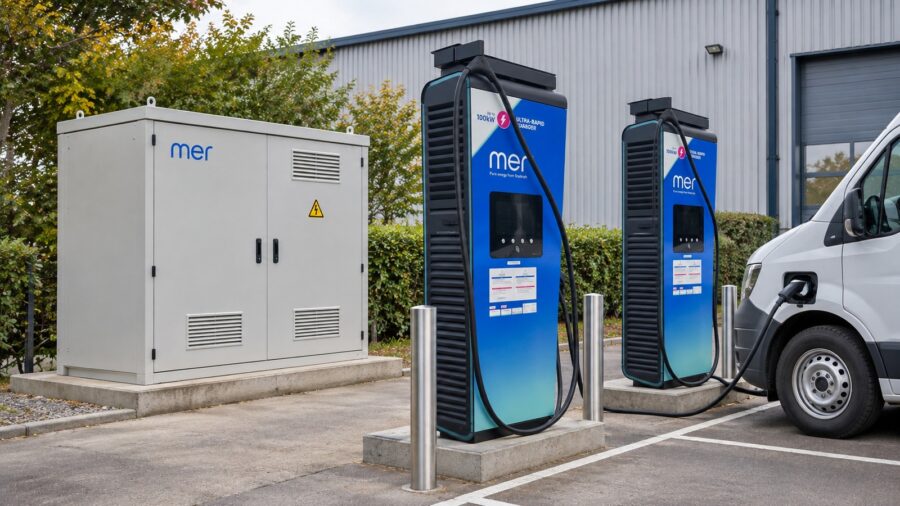
Battery energy storage can be eligible for funding under the Depot Charging Scheme when it forms an integrated part of the proposed EV charging infrastructure and its primary purpose is to support charging of the eligible commercial vehicle fleet.
For operators planning depot charging, this creates an opportunity to consider how battery storage could help meet their vehicles’ charging needs, alongside the chargers and the power available on site.
The starting point is understanding the role a battery would play in your operation. How much energy do your vehicles need? When do they need it? And could storing electricity at quieter times help you deliver that charging within your existing connection capacity?
What battery storage costs can be eligible?
Eligible costs can include:
- The battery energy storage system
- Installation of the battery
- Relevant energy management and control equipment forming part of the integrated charging solution.
The key requirement is a demonstrable link to the proposed EV charging infrastructure. The battery’s primary purpose must be to support charging of the eligible commercial vehicle fleet.
A battery intended mainly to serve other building loads or generate income through energy trading would therefore need careful consideration against that requirement. Simply locating a battery at the same depot as the chargers does not establish eligibility.
Grid reinforcement and connection costs are not eligible for funding.
How can a battery support depot charging?
A depot’s electricity demand changes throughout the day. Vehicles may return to base at a similar time and need charging while lighting, heating, refrigeration or other equipment are also drawing power.
A battery can store electricity when there is spare capacity and discharge it when the fleet needs more charging power. Used alongside suitable charging controls, this can help manage the peaks in demand placed on the site’s grid connection.
For example, a fleet may have enough electricity available across the day to meet its vehicles’ energy needs, but insufficient power to charge them all within a short turnaround window. A battery could store energy ahead of their return and release it during that charging period.
Depending on the site, this may reduce the scale of a required connection upgrade or allow a charging plan to make better use of the capacity already available.
Making more of lower-cost electricity
Alongside overcoming the need for additional grid upgrades, battery energy storage can also help operators reduce the cost of the electricity their vehicles use. By storing energy during lower-cost periods and releasing it when vehicles need to charge, a battery gives depots greater flexibility over when they buy and use electricity.
Reviewing the depot’s charging patterns, tariff structure and half-hourly electricity data helps identify these opportunities and shape how the battery is operated. Grant support can strengthen the investment case, helping fleets access benefits that continue beyond the initial installation.
Creating opportunities for additional revenue
A battery installed to support fleet charging may also create opportunities to earn revenue through energy trading and flexibility services when its capacity is available.
With the right controls in place, these activities can be managed around vehicle charging schedules, keeping sufficient energy available for the fleet while putting spare battery capacity to work.
Supporting the eligible commercial fleet remains the battery’s primary purpose under the Depot Charging Scheme. As part of project planning, operators can explore which additional services are compatible with the grant agreement and how these could contribute to the battery’s long-term value.
What should fleets assess before applying?
Battery energy storage should be considered early enough to influence the charging design and project budget.
An assessment should bring together:
- Fleet requirements: vehicle numbers, daily energy needs, return times and departure schedules.
- Site electricity use: existing demand, peak loads and available connection capacity.
- Charging design: charger power, vehicle dwell times and opportunities to manage charging.
- Battery performance: usable storage capacity, discharge power and time available to recharge.
- Project economics: eligible costs, the funding contribution, remaining investment and ongoing operating costs.
This information helps establish whether storage adds value and provides a basis for explaining its role within the proposed charging infrastructure.
Plan the battery and charging infrastructure together
The opportunity to include battery storage in a Depot Charging Scheme application makes it valuable to look beyond the charge points themselves.
Charger selection, battery sizing and energy controls all affect how effectively a depot can use its available power. Assessing them together helps operators develop a system around the vehicles they need to charge, the time available and the demands of the wider site.
At Mer Fleet Services, we bring fleet charging, electrical infrastructure and energy management into the same planning process. We can help assess whether battery storage has a role at your depot and develop an integrated charging proposal to support your funding application.