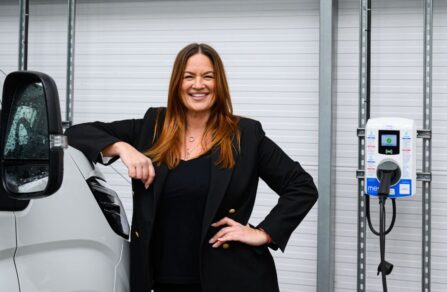
Natasha Fry on Women, Leadership, and the Future of Fleet Electrification
Natasha Fry, Chief Commercial Officer at Mer Fleet Services, has ...

The United Nations defines renewable energy as ‘energy derived from natural sources that are replenished at a higher rate than they are consumed. […] Renewable energy sources are plentiful and all around us.’ Examples include solar power and wind power. Other examples of renewable energy also include hydropower, tidal, biomass energy, geothermal energy and many more.
Hydropower is the oldest and largest form of renewable energy, using water flow in dams and rivers to power turbines and produce electricity. It makes up about one-sixth of the world’s electricity supply.
Unlike renewable energy sources, the energy generated by fossil fuels such as coal, oil, and gas is clearly detrimental to our planet.
In this blog, we explore the role renewables play in our energy mix, including:
It is well known that decreasing greenhouse gas emissions is critical for ensuring global heating does not surpass a maximum of 1.5°C above pre-industrialised levels.
The crucial benefit of renewable energy is that it is generated from natural resources and therefore has less of an impact on the environment. Our current use of fossil fuels is creating damaging greenhouse gases and pollutants. As well as adversely affecting the health of the population, our usage has contributed greatly to the speed of climate change, setting us on a catastrophic path.
Another clear benefit of renewable energy is the fact that it will never run out – given that it is renewable. Fossil fuels on the other hand, will only last us an estimated 40-60 years based on current usage rates.

Unless you are generating energy, such as via solar panels, your electricity supply may not consist of 100% renewable energy. Many homes and businesses across the UK receive their energy from the National Grid – a network of high-voltage power lines and storage facilities that enable the distribution of electricity.
The National Grid (which does not generate electricity but distributes it) can send power to homes and businesses via ‘Distribution Network Operators’ across the country. Energy suppliers sell electricity to customers (businesses or domestic) procured through the wholesale market, direct agreements with producers, or both.
The energy distributed by the National Grid is generated from a mixture of renewable and fossil fuel sources. It cannot be sorted, which means that all customers powered by the grid receive an energy mixture. So, your energy supplier cannot control the electricity that goes in through your plugs, because of the grid mix on any given day. However, you should speak with your supplier to see if they have the appropriate credentials to enable you to report the emissions associated with your electricity supply as zero carbon.
Although using a renewable energy supplier will not directly change your energy mix, it will have a positive impact and has the power to create change. There is power in consumer decisions, and switching to a renewable energy supply helps move the market share of renewables against fossil fuels.
Energy suppliers can claim to be supplying renewable energy to consumers if they;
By switching to a renewable energy tariff, you are sending a clear message that renewably sourced energy matters to you – putting pressure on suppliers, generators and the government.
And, although renewable guarantee of origin certificates are related to existing energy, an increase in certificates purchased increases the demand for a higher proportion of renewable energy in the grid mix, which should eventually lead to the production of more of it.
With a growing number of suppliers claiming to have strong credentials, we do advise that you assess each supplier’s ethos, goals and actions when it comes to considering your energy tariff, and choose a supplier whose sustainability values are aligned with your own.
Renewables made up an impressive 30% of the global electricity mix in 2023. By 2030, world leaders are aiming to increase renewables to 60% of global electricity.
We are seeing the transformation of an industry – and the more people behind the change, the more likely we are to reach our goal to be net zero by 2050.
Transport remains the largest source of carbon dioxide emissions in the UK, accounting for 34% (2019) – with road transport representing the large majority of emissions. Reducing this harmful output from transport is essential in the fight against climate change.
By switching to an electric vehicle, you could drastically cut your CO2 emissions. But taking it further, if you power your EV with a renewable electricity supplier offering 100% renewable energy, you could cut your fossil fuel emissions from vehicle usage even further.

1 – https://www.theguardian.com/environment/article/2024/may/08/renewable-energy-passes-30-of-worlds-electricity-supply
2 – https://www.theguardian.com/environment/article/2024/may/08/renewable-energy-passes-30-of-worlds-electricity-supply
3 – https://www.theguardian.com/environment/article/2024/may/08/renewable-energy-passes-30-of-worlds-electricity-supply
4 – https://www.bbc.co.uk/news/science-environment-62892013
Natasha Fry, Chief Commercial Officer at Mer Fleet Services, has ...
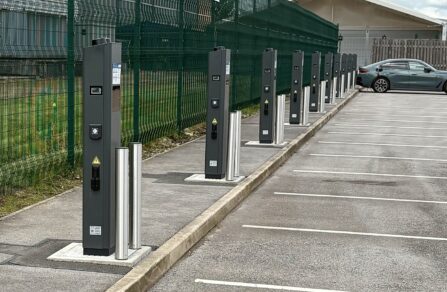
Mer Fleet Services delivered a full end-to-end EV charging soluti...

Mer Fleet Services, the specialist fleet electrification business...