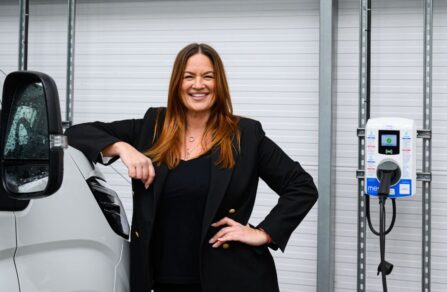
Natasha Fry on Women, Leadership, and the Future of Fleet Electrification
Natasha Fry, Chief Commercial Officer at Mer Fleet Services, has ...

Cities have become hotspots for air pollution and congestion, so it is not surprising that their decarbonisation is a core part of the UK’s plans to achieve net-zero emissions by 2050. But what impact will this have on last mile delivery operators?
Despite UK emissions falling to the lowest level since 1879 in 2023, transport was the largest emitting sector, responsible for around 29% of emissions (1), so addressing the carbon footprint of transport in cities is a priority for local authorities. From electrifying public buses to cycle share schemes and low emission zones (LEZ), many cities have introduced initiatives to encourage cleaner transport methods.
However, LEZs bring a range of last mile delivery challenges that fleet operators must overcome.
So with that in mind, this blog looks at:
Low emission zones (LEZs) are schemes designed to tackle air pollution and congestion in cities. By banning or charging polluting vehicles that do not meet the euro emission standards (2) for entering, LEZs aim to encourage individuals and businesses to switch to cleaner transport methods like electric vehicles (EVs).
There were 320 Low Emission Zones (3) across Europe as of mid-2023, including in major UK cities such as London, Birmingham, Newcastle upon Tyne, Edinburgh and Glasgow. What’s more, this is projected to rise to over 500 by the end of 2025, with some 35 Zero Emissions Zones (ZEZs) planned by 2030 (4).
Because last mile delivery vehicles frequently enter these low-emission zones to deliver to destinations within the area, they have a big impact on city carbon emissions. As a result, fleet operators can bear the brunt of LEZ charges. In some cases, this can significantly impact operating costs, either through additional charges or from having to replace ageing, polluting fleet vehicles.
With home delivery skyrocketing in recent years, especially during the COVID pandemic, the carbon impact in urban areas can be significant, with some estimates suggesting they account for between 20% to 30% (5) of a city’s emissions. And that’s before we factor in commercial last mile deliveries to shops, restaurants, office space and more. A 2020 study (6) found that, during Black Friday, online purchases delivered directly to homes make up most of the online shopping market and have a higher greenhouse gas footprint than in-store shopping due to transport emissions.
Internal Combustion Engines (ICE), even the newest models, emit a range of harmful pollutants, which can have a worrying impact on public health. For example, poor air quality in cities has been linked to dangerous health conditions, including lung, respiratory and heart diseases.
We need last mile deliveries, and they certainly won’t be going anywhere, but fleet operators need to start examining the challenges they face, and start looking for solutions. By switching to an electric fleet, a business can have a real positive environmental and health impact on urban areas and communities.
For many businesses, ev last mile delivery already represents a huge cost, but companies driving ICE courier fleets regularly within city LEZs could face even more over the coming years.
Take the London Ultra Low Emission Zone (ULEZ) as an example. The current daily charge is £12.50 for vehicles that do not meet its standards, with an additional penalty of £180 if not paid. EVs and hybrids are typically not subject to charges, as long as they meet Euro 6 emissions standards. However, EV drivers will have to pay the full £15 London Congestion Charge after 25th December 2025.
If one delivery vehicle entered the zone every day for a month, this would add up to a cost of around £375. When this number is multiplied to include a whole fleet of vehicles and across a year, LEZ zones quickly become a major business expense for non-electric last mile delivery fleets. An expense that is only ever likely to rise.
On top of avoiding LEZ charges, upgrading to electric already offers multiple practical and cost benefits for businesses. For example, the average ICE vehicle has an efficiency of only around 40%, with 60% (7) lost via heat and friction.
This means ICEs consume far more energy travelling the same distance as an electric vehicle. Plus, with fewer parts, EVs also have much lower maintenance costs, which are on average 30% (8) less. Add the fact that charging at a depot is lower than the price of a full tank of petrol or diesel, then it becomes clear that the total cost of operation can be reduced by adopting an EV fleet for last mile deliveries. Similarly, energy prices fluctuate far less than fuel prices, making it easier to budget in the short-, medium- and long-term.
Alongside the cost of replacing fleet vehicles, last mile electrification brings a range of other challenges. We’ve discussed the lower operating costs of commercial EV fleets, but they often require a major investment in charging infrastructure.
From determining your vehicle and charging requirements, including the space required for the charging spaces themselves, to understanding whether your existing premises are suitable, there are lots of things to consider.
For example, if your fleet is likely to charge overnight at the depot for use the following day, you could probably install affordable, slower chargers, with the trade-off that you’d likely need more, and the parking spaces to go with them. On the other hand, if your commercial EV fleet is going to charge during the day during downtimes, you could install fewer rapid or ultra rapid chargers that require a higher investment, but less space, as more vehicles can use them per day.
Many of our customers use a blended approach, with a mix of chargers on their premises. The in-demand vehicles use the rapid chargers, and the other, day-to-day, vehicles charge more slowly overnight.
Regardless of your requirements, we can help.
Since 2023, we’ve been supporting IKEA UK to reach its target of 100% zero emission deliveries by 2025. From understanding the unique power requirements of every IKEA store, including whether grid upgrades are needed, to analysing vehicle operations, we recommended the optimum solution for each site.

IKEA has invested £4.5 million in last mile delivery electrification, including the installation of 200 chargers, including 40 rapid chargers, in 2023, as well as more since. The charging points are located at every IKEA store, as well as the Dartford Customer Distribution Centre, and are available to all of IKEA’s logistics partners to make home deliveries in the UK and Ireland.
“Investing in this infrastructure of nationwide charging points is a fundamental step in our ambition to reach 100% zero emissions deliveries from all IKEA stores and distribution centres to customers by 2025, as well as supporting our ambition to become a fully circular business by 2030.” – Jakob Bertilsson, Country Customer Fulfilment Manager UK & Ireland, IKEA
Transitioning to an electric last mile delivery fleet is not only a choice that benefits the health and environment of urban areas, but also an economically viable choice that could generate savings in the long term.
While most fleet managers are aware of the need to electrify, it can be overwhelming to know where to start. To help fleet managers start the process of last mile fleet electrification, we’ve put together a downloadable guide on our last mile hub page to help you understand the challenges and solutions, wherever your fleet is in its electrification journey.
Sources
Natasha Fry, Chief Commercial Officer at Mer Fleet Services, has ...
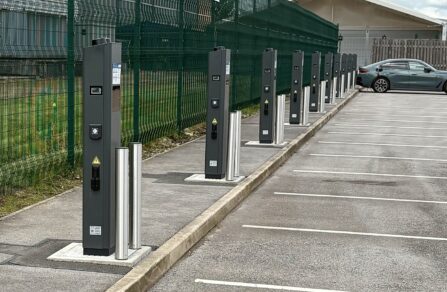
Mer Fleet Services delivered a full end-to-end EV charging soluti...
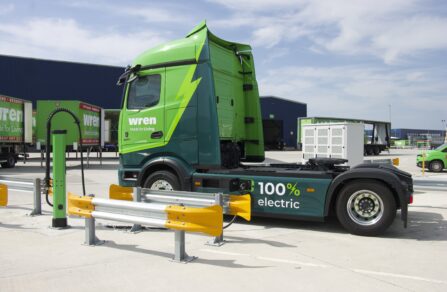
Mer Fleet Services, the specialist fleet electrification business...