
What we’ve learnt from supporting EV fleets through Round 1 of the Depot Charging Scheme
At Mer Fleet Services, we supported organisations including IKEA,...

‘Smart charging’ is a more energy efficient type of electric vehicle charging, which utilises an internet connection to send data between a charger, vehicle, grid and other chargers. For fleet operators, smart charging and load balancing can help ensure that each EV charges in the most time- and cost-efficient way.
The purpose of data communication during a charge is to optimise the use of energy. Smart charging makes it possible to control how much energy an EV takes from the grid and when, ensuring it carries out its charging at the most optimum times. This puts less pressure on your grid connection and makes sure each vehicle charges fully.
Additionally, a smart charger can facilitate dynamic load management – whereby more than one vehicle can charge at the same time within the same network, in an efficient and safe manner, ensuring the vehicle can be used again as soon as possible.
Every property has a maximum electrical capacity, and EV chargers will use up a lot of available space. If your fleet consists of vans or HGVs, the space and power requirements will be even larger.
Load management, sometimes called ‘load balancing’, is a form of technology used to control the electrical capacity of a site, ensuring the limit is not exceeded and prioritising building energy use. EV fleet charging load management allows you to efficiently distribute the electrical load across chargers – making sure that each charge point is able to supply each vehicle with the correct level of energy. Energy demand can be balanced through the day, and lowered during peak times – to reduce strain but also energy rates.
There are two types of load management – static and dynamic.
‘Regular’ or ‘Static’ load balancing is a fixed way of allocating energy for charging. The charging infrastructue will still prioritise building energy usage, but will distribute the maximum electrical power remaining across the connected vehicles – either charging them each at a lower speed, or charging the cars at full power and rotating through them every 15 minutes.
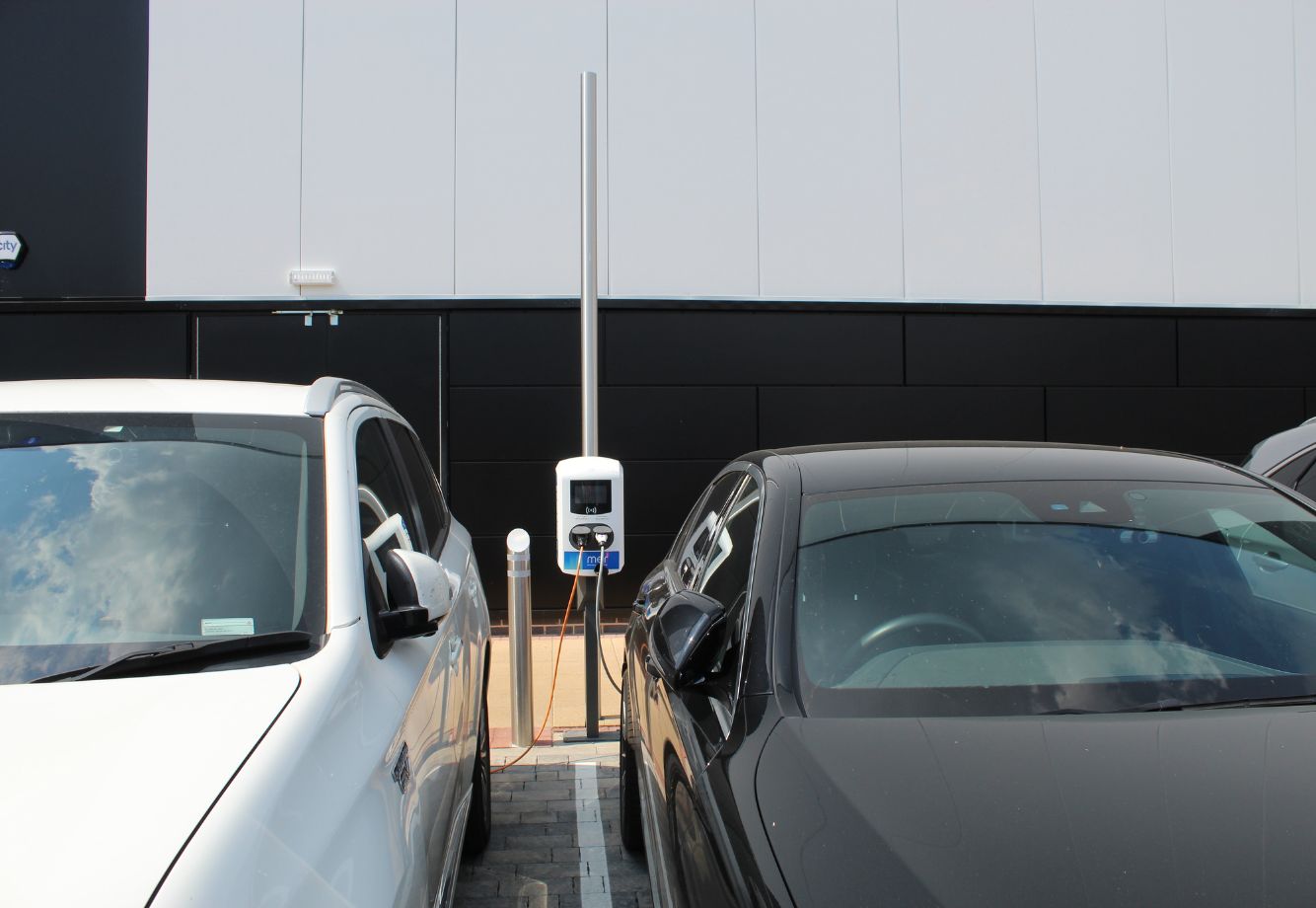
‘Dynamic’ load management and smart charging are often used interchangeably in the world of electric charging. Smart chargers facilitate dynamic load balancing – essentially it enables a smarter way of managing the fleet charging process on your site.
Dynamic load management enables multiple fleet cars to get as much charge as they need, as fast as possible – all without causing any strain to buildings within the site. When a second EV is connected to the charging infrastructure and the requested charge capacity is higher than the maximum power available, the charging speed will be reduced on the first vehicle and power will be evenly distributed between the users. And when an EV is fully charged, the other connected vehicles will be given more power.
Dynamic load management is controlled in the Cloud and communicates with other energy appliances to work out the building’s energy capacity in real-time. From this, it provides an optimal load for charging electric vehicles. It empowers a business to be fully in control of their fleet charging, and be strategic about which vehicles are prioritised for charging, based on business needs.
With smart charging, drivers can plug-in their vehicles during peak times and the charger will adjust the vehicle charging time for when demand is lower. Without this capacity management, expensive network or grid connection upgrades would likely be required to keep up with the increased demand – with additional costs to the business.
The energy used to charge EVs is increasingly being generated from renewable sources. And in the future, smart charging will begin to be used to ensure EVs are charging when there’s more renewable energy on the grid – for example after a period of sunny or windy weather.
Smart charging enables a driver or fleet operator to set specific charging time periods, enabling them to just plug in and leave it, no need to manually connect and disconnect the car – and it will be charged by the time set in the most efficient way possible.
For example, you can set charging preferences such as desired charge level, charge-by time and a minimum charge level i.e. the minimum battery level you don’t want your vehicle to fall below.
At Mer Fleet Services, we supported organisations including IKEA,...
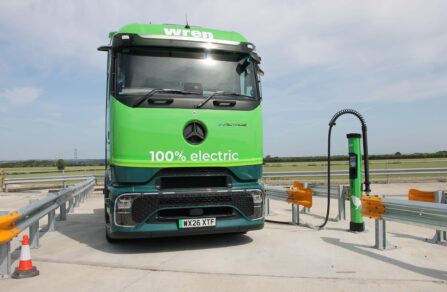
When Wren Kitchens introduced its first electric HGVs, the chargi...
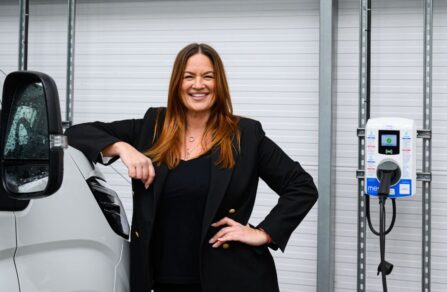
Natasha Fry, Chief Commercial Officer at Mer Fleet Services, has ...