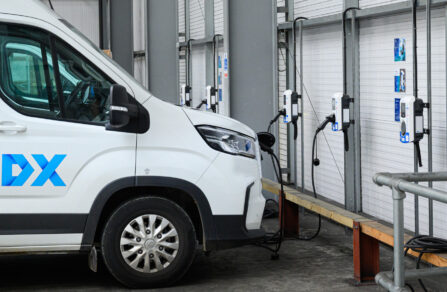
Powering DX Delivery With Last Mile EV Charging
DX delivery chose Mer as its charging partner to support its last...
In our last mile EV charging guide, find out everything you need to know about how to design and implement an EV charging strategy for your last mile business fleet.
Did you know, EVs are 30% cheaper than ICE counterparts for maintenance costs? Additionally, The UK government and local councils are expanding the borders of zero emissions zones each year, increasing the potential regulatory and administrative costs for your organisation.
Did you know, the average ICE vehicle has an efficiency of only around 40%, with 60% lost via heat and friction? This means ICEs consume far more energy to travel the same distance as an EV.
Did you know, the demand for home delivery is expected to cause a 36% increase in delivery vehicles in inner cities by 2030? By switching to an electric fleet, your business can have a real positive environmental and health impact.
When preparing to electrify a last mile fleet, it can be overwhelming to know where to start. Here is a summary of the process, wherever your fleet is in its electrification journey.
The power required for EV charging infrastructure is demanding, and the amount of electricity available at any given site is finite. Before you can draw up your strategy, you need to understand how much power is available for your last mile EV fleet. You can do this by calculating your existing usage and determining how much will remain from your grid connection.
Once you have calculated the amount of available power to charge your last mile fleet effectively, ask the following questions surrounding your operations:
The answers to these questions will inform your decision on what type of EV chargers you need, as well as how many and when you will use them. Charging providers typically offer different commercial and funding models, depending on fleet size, usage and budget, ranging from charging as a service to fully funded options, depending on your needs and budget.
Once you know how much power is available and what your organisation requires for your EV fleet’s operations, you need to decide on how to proceed. Do you already have an EV charging partner in mind to help with the planning and installation, or are you going out to tender? Often, even if you choose the latter, it is good to seek advice from an experienced charge point operator on how to specify the tender to ensure you get the best outcome, both operationally and financially.
Once a charging partner is selected, the installation phase brings together site surveys, detailed design, grid connection works and physical deployment of charge points.
Ongoing operation typically includes maintenance, monitoring, support agreements and driver training to ensure chargers remain reliable and widely adopted.
Delivering reliable EV charging for last-mile fleets requires experience across power, infrastructure design and long-term operation. Mer’s work with a range of last-mile delivery fleets has helped surface clear, practical patterns around what enables charging infrastructure to work reliably at scale.
That experience informs how last-mile charging strategies are planned, implemented and maintained across the full infrastructure lifecycle.
Delivering reliable EV charging for last-mile fleets requires experience across power, infrastructure design and long-term operation. Mer’s work with a range of last-mile delivery fleets has helped surface clear, practical patterns around what enables charging infrastructure to work reliably at scale.
That experience informs how last-mile charging strategies are planned, implemented and maintained across the full infrastructure lifecycle.
For last-mile fleets, charger availability directly affects service delivery. Maintenance and support models therefore need to reflect operational criticality, not just asset ownership.
Combining preventative maintenance, proactive monitoring and clearly defined response times helps reduce unplanned downtime and maintain fleet availability as electrification scales.
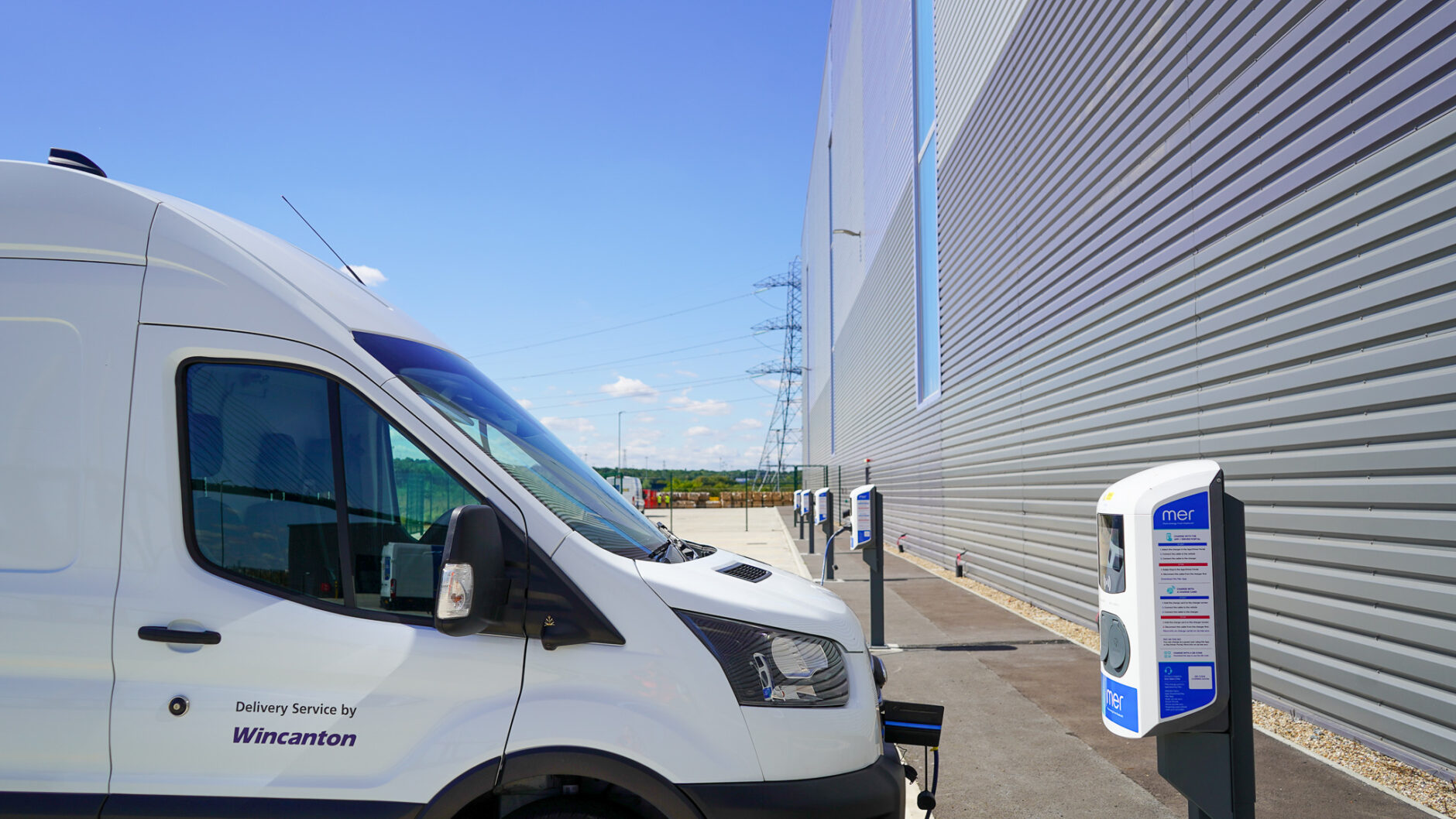
DX delivery chose Mer as its charging partner to support its last...
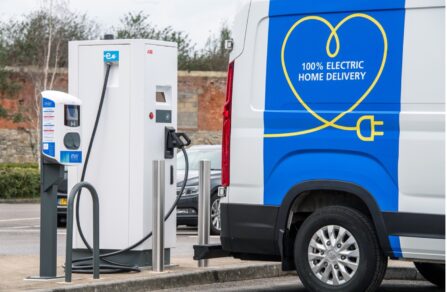
IKEA has today announced a £4.5million investment in a nationwide...
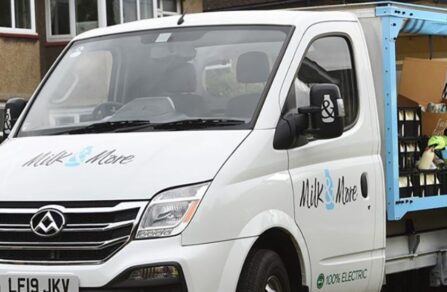
Milk & More is the UK’s biggest online doorstep milk delivery fir...