


Rapid & Ultra Rapid EV Charging (50–400kW) Explained
Understand 50kW, 150kW and 300kW rapid EV charging speeds - and how high-power infrastructure supports fleet and high-utilisation sites.
Understanding EV Charging Speeds
Electric vehicle charging speeds are typically grouped into four categories: slow, fast, rapid and ultra rapid.
Rapid and ultra rapid EV charging (50-400kW) delivers high-power DC energy that significantly reduces charging time compared to standard AC charging.
While widely deployed across the UK’s public network, these charging speeds must be evaluated differently for fleet operations – where duty cycles, depot design and long-term energy capacity planning are critical.
Learn more about EV charging speeds
A 50kW rapid EV charger is often the entry point into DC infrastructure.
A 150kW or 300kW ultra rapid EV charger enables shorter turnaround times and higher site throughput.
For organisations electrifying vehicles, charging speed selection must align with:
- Vehicle duty cycles
- Return-to-base timing
- Simultaneous charging demand
- Grid capacity constraints
- Future expansion planning
Learn more about building an effective fleet charging strategy.
| Charger Type | Charging Speed | Charging Time (80%) |
|---|---|---|
| Slow chargers | 3kW – 7kW | 6-12hrs |
| Fast chargers | 7kW – 25kW | 3-6hrs |
| Rapid chargers | 50kW – 150kW | 30mins-1hr |
| Ultra rapid DC chargers | 150kW+ | 10-20mins |
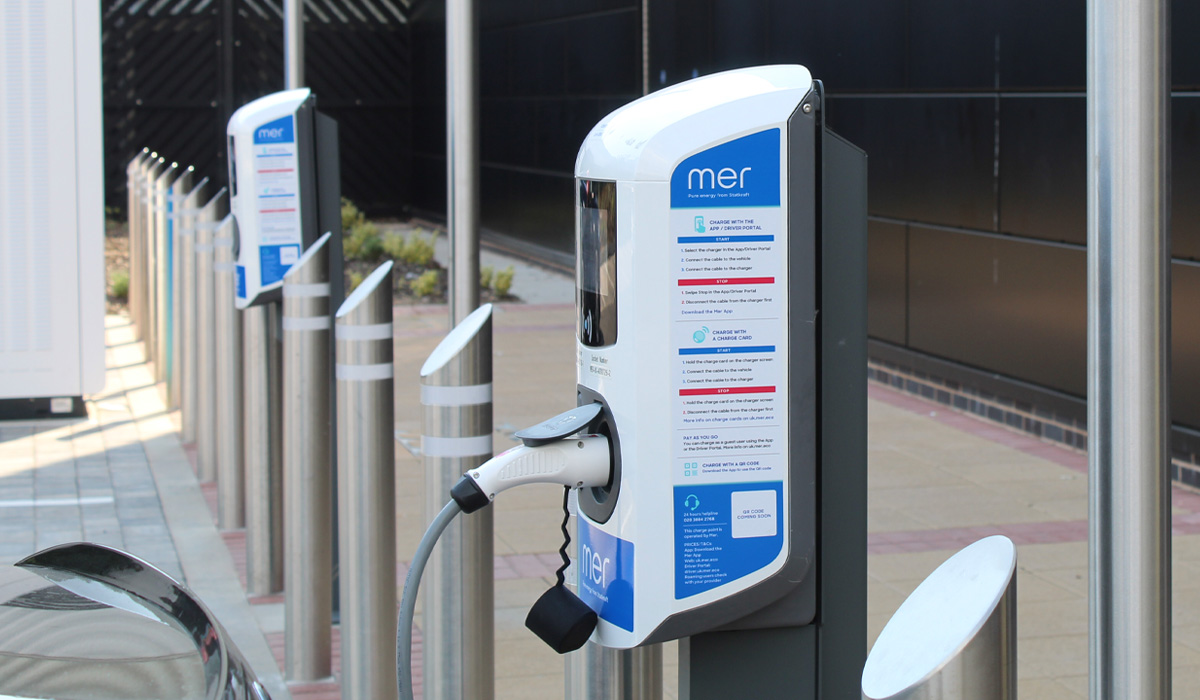

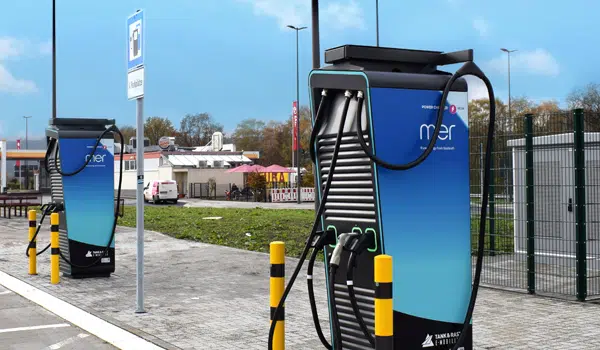



Reliable charging, renewable power, and infrastructure built to support the UK’s growing EV demand.






Rapid & Ultra Rapid Charging FAQs
High-power EV charging raises practical questions around charging speeds, vehicle compatibility, grid capacity and site design.
Below, we answer the most common questions about 50kW, 150kW and 300kW rapid EV chargers — including how these charging speeds apply to fleet depots, high-throughput sites and operational planning.
Rapid chargers deliver 50kW–150kW and typically charge an EV to 80% in 30-60 minutes.
Ultra rapid chargers deliver 150kW–400kW and can achieve similar levels in 10–20 minutes depending on vehicle capability.
No.
50kW is classified as rapid DC charging.
Fast chargers usually range from 7kW to 25kW and are suited to longer dwell times.
A 150kW charger can deliver significantly faster sessions than a 50kW unit.
A 300kW charger can reduce charging time further — though the vehicle will only draw its maximum supported rate.
Yes. Rapid DC charging is commonly integrated into depot environments to support flexibility and multi-shift scheduling.
Ultra rapid infrastructure may be used where turnaround time is critical.
Charging speed depends on:
-
Vehicle capability
-
Battery temperature
-
State of charge
-
Charger power
-
Site load management
Even on a 300kW charger, the vehicle only draws what it can accept.
Yes – but typically only for on-route or opportunity charging. Most fleets rely on fast AC or rapid DC charging at depots or workplaces for predictable scheduling.
Ultra rapid is mainly used where turnaround time is critical or where vehicles operate across long routes.
No – these chargers are safe for EV batteries.
Modern battery management systems regulate charging speed automatically, slowing down when needed to protect the battery.
Ultra rapid charging may create more heat, but it is within manufacturer-approved limits.